
How to Get Rid of Pigmentation on the Face?
- 05 mins read
Table of contents
- What Causes Pigmentation on the Face?
- What Are the Different Types of Facial Pigmentation?
- How to Get Rid of Pigmentation on the Face?
- What Are the Professional Treatments for Facial Pigmentation?
- Can Skincare and Professional Treatments Be Used Together?
- How Do You Choose the Right Pigmentation Treatment?
- Why Does Pigmentation Come Back After Treatment?
- What Should You Avoid If You Have Facial Pigmentation?
- Conclusion
Dark patches, post-acne marks and an uneven skin tone can be frustrating, especially when they make your skin look different from how it usually does. Pigmentation can develop after acne, sun exposure, skin irritation or hormonal changes, and some types can stay for months or keep returning.
If you’re wondering how to get rid of pigmentation on the face, there’s more than one way to approach it. The right combination of daily skincare, sun protection and professional care depends on what’s causing the concern and how your skin responds.
In this blog, we’ll cover the common causes, effective ways to manage it and when professional care may be worth considering.
What Causes Pigmentation on the Face?
Pigmentation occurs when the skin produces excess melanin, leading to darker patches or an uneven skin tone. Common triggers include:
- Sun exposure: UV rays can increase melanin production and darken existing pigmentation.
- Acne: Breakouts can leave dark marks after the inflammation settles.
- Hormonal changes: Hormonal shifts can trigger melasma, especially on the cheeks, forehead and upper lip.
- Skin inflammation: Irritation, rashes or injuries can cause post-inflammatory hyperpigmentation.
- Certain skin treatments: Procedures or products that irritate the skin may sometimes lead to darker marks.
Identifying the trigger can help determine which skincare or professional treatment may be most suitable.
What Are the Different Types of Facial Pigmentation?
Look closely at the darker areas on your face and you may notice they don’t all look the same. Some appear as small spots, while others spread across larger areas.
Here’s what you may be dealing with:
1. Melasma: If you’ve noticed brown or greyish patches across your cheeks, forehead, nose or upper lip, it could be melasma. Hormonal changes can trigger it, and sun exposure can make the patches darker.
2. Post-Acne Pigmentation: That dark mark left behind after a pimple has healed is usually post-acne pigmentation. It can fade gradually, although some marks can stick around for months.
3. Sun Spots: These are small, defined dark spots that develop after repeated sun exposure. You may notice them on areas of your face that get the most sunlight.
4. Post-Inflammatory Hyperpigmentation: If a darker patch appeared after acne, a rash, irritation or a skin injury, it could be post-inflammatory hyperpigmentation. The extra pigment develops as the skin heals.
If you’re unsure which one you’re seeing, a skin specialist can assess your skin and help you understand what may be causing it.
How to Get Rid of Pigmentation on the Face?
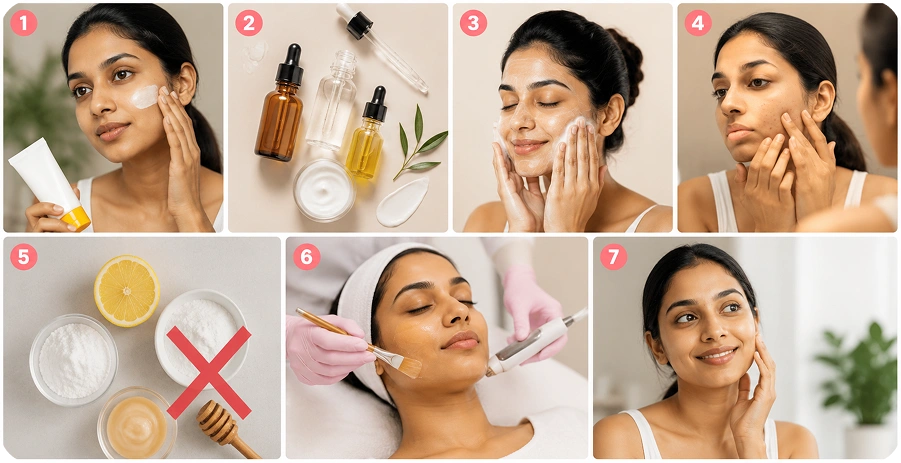
The right way to treat pigmentation depends on what’s causing it, the type you have and how long you’ve had it. In many cases, a combination of sun protection, suitable skincare and professional treatment can help improve its appearance.
1. Daily Sunscreen: Sun exposure can make existing pigmentation darker and cause more pigment to form. Use a broad-spectrum sunscreen with SPF 30 or higher every day and reapply when you’re outdoors. If you have melasma, a tinted sunscreen with iron oxide may also help protect against visible light.
2. Targeted Skincare: Ingredients such as vitamin C, azelaic acid, retinoids and kojic acid may help fade dark spots over time. The right ingredient and strength will depend on your skin and the type of pigmentation you’re treating.
3. Gentle Routine: Harsh scrubs, over-exfoliation and products that sting or burn can irritate your skin and make some types of pigmentation worse. Use a gentle cleanser and moisturiser while introducing active ingredients gradually.
4. Acne Control: If acne is leaving dark marks, treating breakouts can help prevent new pigmentation. Try not to pick or squeeze spots, as this can increase inflammation and leave darker marks behind.
5. Skip DIY: Lemon juice, baking soda and other DIY remedies can irritate your skin and may worsen dark marks. It’s also best to avoid unregulated skin-lightening products when you don’t know what they contain.
6. Professional Treatment: If your pigmentation is stubborn or isn’t improving with homecare, professional treatment may help. Depending on the type and severity, your skin specialist may recommend chemical peels, or skin brightening peels.
7. Ongoing Care: Pigmentation can return, especially when triggers such as sun exposure or hormonal changes continue. Staying consistent with sunscreen, suitable skincare and recommended maintenance treatments can help keep it under control.
What Are the Professional Treatments for Facial Pigmentation?
When pigmentation doesn’t improve with homecare, professional treatments can offer more targeted options. The right treatment depends on the type of pigmentation, its severity and how your skin responds.
1. Skin Brightening Peel
Skin Brightening Peel is a medically guided peel used to improve pigmentation, dullness and uneven skin tone. It can be considered for concerns such as melasma, post-inflammatory hyperpigmentation and sun-induced pigmentation.
The treatment may be combined with targeted homecare to support the skin between sessions and maintain the improvement.
2. Medical-Grade Chemical Peels
Medical-grade chemical peels use carefully selected peeling agents to remove damaged outer layers of the skin and improve pigmentation and uneven tone.
The peel, strength and treatment schedule can be chosen based on your skin and the pigmentation being treated. At SkinLab, these peels are part of a personalised approach to managing pigmentation.
Can Skincare and Professional Treatments Be Used Together?
Yes. Skincare and professional treatments can work together. Procedures can target existing pigmentation, while suitable homecare helps support the skin between sessions and maintain results.
Daily sunscreen is especially important, as UV exposure can darken pigmentation and affect treatment results. Your skin specialist may also adjust your routine around a procedure to reduce irritation.
How Do You Choose the Right Pigmentation Treatment?
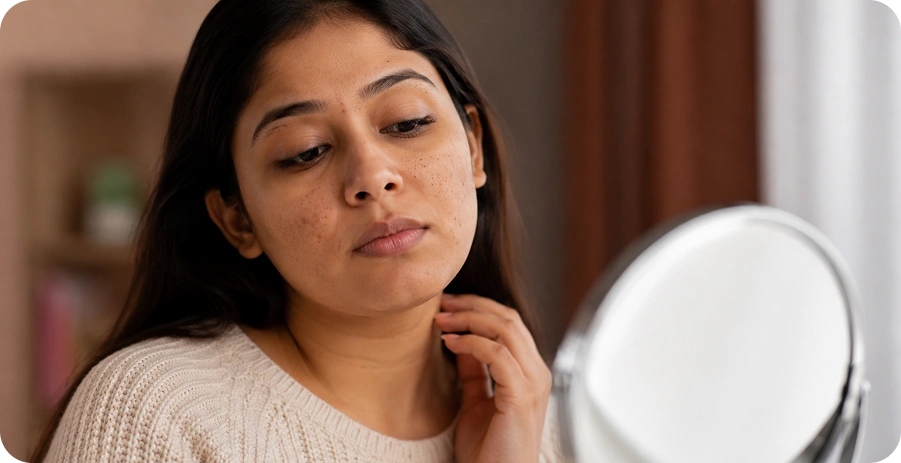
The treatment you need depends on the type of pigmentation, its cause and how your skin responds to treatment. A skin specialist can assess these factors before recommending a suitable option.
Depending on your concerns, this may include targeted skincare, chemical peels or skin brightening peel. Some people may get benefitted from a combination of these treatments.
Why Does Pigmentation Come Back After Treatment?
Pigmentation can return after treatment when triggers such as sun exposure, hormonal changes, acne or skin inflammation continue. Melasma can be particularly persistent and may flare again even after it improves.
Consistent sunscreen, suitable skincare and recommended maintenance care can help reduce recurrence. If pigmentation keeps returning, a skin specialist can reassess the cause and treatment plan.
What Should You Avoid If You Have Facial Pigmentation?
Some everyday habits can increase irritation or make pigmentation more difficult to manage. If you’re dealing with facial pigmentation, try to avoid:
- Skipping sunscreen during the day
- Picking or squeezing acne
- Using harsh scrubs on pigmented areas
- Introducing several strong active ingredients at once
- Using aggressive DIY treatments
- Applying unregulated skin-lightening products
- Continuing products that cause burning or persistent irritation
Being consistent with a simple, suitable routine can help your skin tolerate pigmentation treatments and reduce unnecessary irritation.
How Can SkinLab Help With Facial Pigmentation?
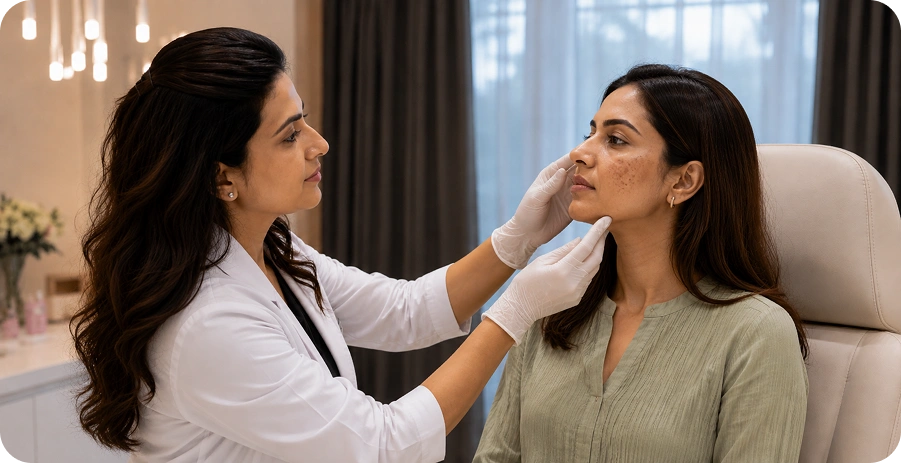
At SkinLab, our doctors first assess your pigmentation, skin type and possible triggers before recommending treatment. This helps determine whether you may benefit from targeted homecare, professional treatment or a combination of both.
Based on your assessment, our doctors may recommend skin brightening peel or Medical-Grade Chemical Peels. With over 30 years of experience in medical aesthetics, we can help you choose an appropriate treatment to reduce pigmentation and achieve a more even skin tone.
Conclusion
Getting rid of facial pigmentation often takes more than one step. Daily sunscreen, suitable skincare and avoiding unnecessary irritation can help manage pigmentation and protect your progress, while professional treatments can provide more targeted support when pigmentation is persistent or needs additional intervention.
If you’ve been dealing with dark patches, post-acne marks or uneven skin tone and aren’t sure what treatment would suit you, a professional assessment can give you a clearer way forward. SkinLab offers personalised pigmentation care with Skin Brightening Peels and Chemical Peels, helping you choose an approach based on your specific skin concern. Book your consultation today!